
Voices for Freedom

Our Shared Struggle

Citizens across the U.S. report violations of their rights through unlawful surveillance and abuse of freedom.

Voices of the Silenced

Each story is unique, yet all reveal a pattern of intelligence agencies crossing constitutional boundaries.

A Call for Support

We ask the public to help our cause, stand with us, share our stories, and help defend our freedoms.

WHY PRIVACY MATTERS

Privacy is more than just a personal preference. It is a basic human right that protects our freedom of thought, expression, and association. Without privacy, citizens lose the ability to make independent choices, governments gain unchecked power, and societies drift toward control and authoritarianism. In the digital age, surveillance has become invisible, constant, and deeply invasive.

Understanding why this matters is the first step toward protecting ourselves and reclaiming our rights.
japanese culture with traffic light 23 2148722972

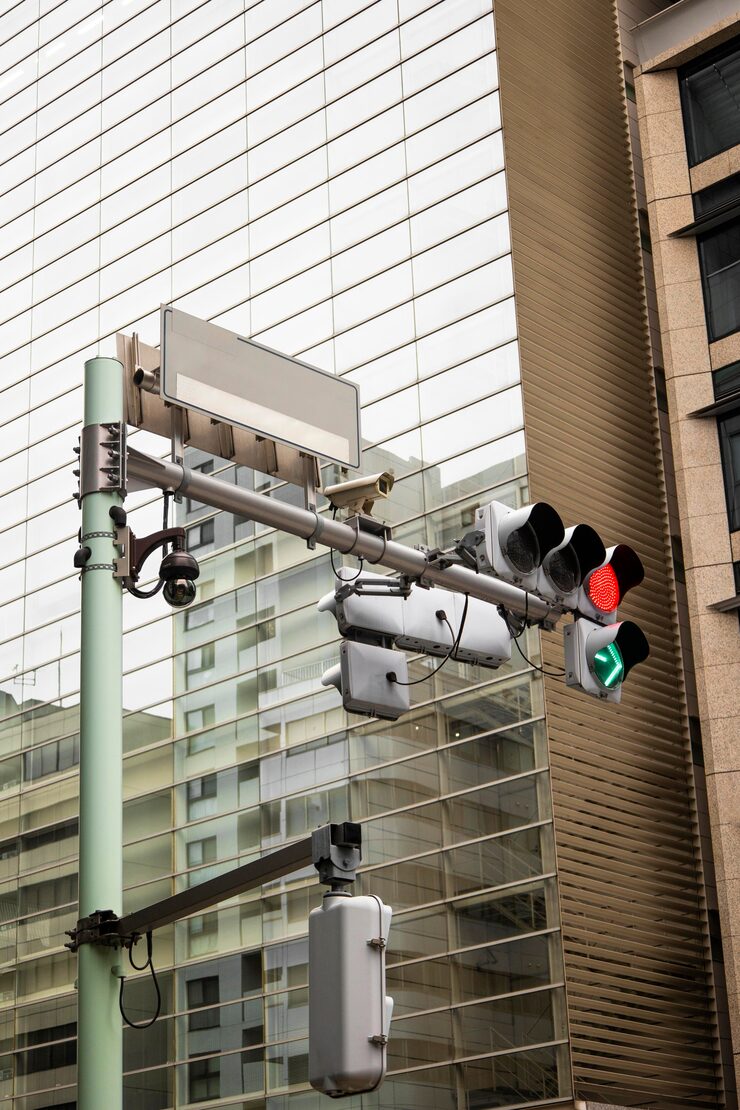
Modern surveillance is not limited to security cameras on the streets. It goes far deeper. Governments and agencies now use advanced technologies to:

  • Track Communications: Monitoring phone calls, emails, and private messages through interception tools.
  • Harvest Data: Collecting personal information from social media, browsing history, and even shopping habits.
  • Location Monitoring: Following movements using mobile phones, GPS, and smart devices.
  • Behavioral Profiling: Building detailed profiles of individuals to predict and manipulate behavior.

What makes this dangerous is that much of it happens without our knowledge or consent. The result is a silent erosion of privacy that slowly becomes “normal.”

Unchecked surveillance comes with serious consequences:

  • Loss of Freedom: Citizens become afraid to speak out or act freely, knowing they may be watched.
  • Abuse of Power: Data can be used to intimidate, blackmail, or silence opposition.
  • Censorship: Governments can target activists, journalists, and ordinary people who challenge authority.
  • False Security: Surveillance is often justified as “protection,” but in reality, it rarely stops crime and instead creates fear.

When privacy disappears, democracy weakens. A watched population is not a free population.

The effects of surveillance extend into every part of life:

  • Self-Censorship: People avoid expressing honest opinions online.
  • Targeted Oppression: Minority groups, activists, or political opponents are unfairly profiled and monitored.
  • Erosion of Trust: Citizens lose confidence in government institutions and even in each other.
  • Digital Chains: Everyday activities from online searches to financial transactions, become tools of control.

True freedom requires space to think, speak, and act without fear of hidden eyes. When that space is lost, freedom itself is lost.

The good news: there are ways to fight back and protect your privacy. Simple steps can make a big difference:

  • Encrypt Communications: Use apps like Signal or ProtonMail for secure messaging and email.
  • Use VPNs: Protect your browsing activity from being tracked.
  • Limit Data Sharing: Be mindful of the personal information you post online.
  • Stay Informed: Awareness is the first shield against manipulation.
  • Support Advocacy: Join movements, sign petitions, and demand stronger privacy laws.

CONCLUSION

Privacy is not just about hiding, it’s about living freely without fear, without the fear of being monitored. If we remain silent, we normalize surveillance and surrender our rights. If we resist, we reclaim the power that belongs to the people.

Scroll to Top